Project Features

Team Management

It will allow you to manage team members, assign them to different projects with their respective role in each project and for a time determined by the start and end date.

Time Track

Use timesheets to calculate how many hours your team works on each assigned project. Manage timesheets and lock or not lock the loading of hours
Expenses Management

The application offers project expense management, enabling users to track all project costs and ensure it stays within budget while achieving its goals.

KPI

Our KPI provides a clear, real-time view of a project's financial performance. It displays key indicators such as revenue, costs, total hours worked by resources, and resource utilization, allowing businesses to assess whether the project is currently profitable. With this information, companies can make strategic decisions, optimize resource allocation, and enhance operational efficiency to maximize profitability.

Budget Tracker

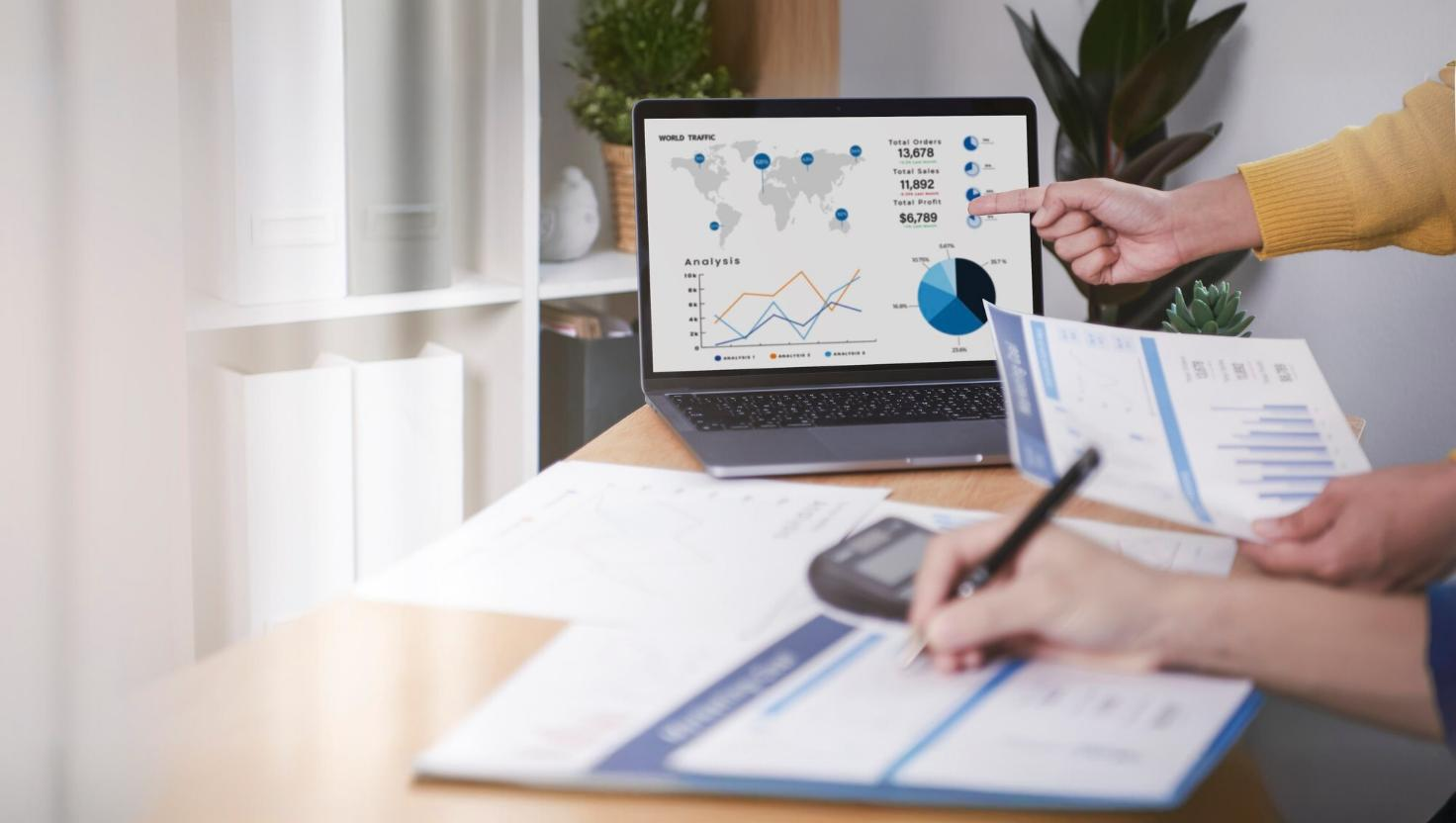
Our Budget Tracker is a tool designed to accurately calculate costs based on the project type and billing method. It allows you to manage budgets according to different pricing models: Time & Material, Fixed Value, or By Tasks, ensuring efficient financial control. With this solution, businesses can track costs in real time, optimize resource allocation, and make informed decisions to maintain project profitability.
Budget Config

Our Absence Management System efficiently handles team absences. Each absence is categorized into different types, with a specific amount allocated for use by resources. This ensures clear control over allowed absences, facilitates resource planning, and helps businesses maintain balance in workforce management.

Frequently asked questions

ERP (Enterprise Resource Planning) is a software system that helps businesses manage and automate key processes such as accounting, production, human resource management, and resource planning in a single integrated platform. This improves efficiency, decision-making, and coordination between different areas of the company.

An ERP system offers many benefits to businesses. It improves efficiency by automating tasks and streamlining processes, reducing manual work. It also provides real-time data, helping in better decision-making. With all information centralized, different departments can access accurate and consistent data. Additionally, it helps reduce operational costs, ensures regulatory compliance, and enhances collaboration across teams. ERP systems are scalable, meaning they can grow with the business and adapt to new needs. Finally, by improving workflow management, they contribute to better customer service and satisfaction.

An ERP Software Suite is a collection of integrated applications that help businesses manage their core processes in a unified system. It includes modules for areas like accounting, human resources, production, supply chain, and resource planning. These modules share a common database, allowing seamless communication between departments, improving efficiency, and enabling better decision-making.

ERP is important for businesses because it helps streamline operations, improve efficiency, and enhance decision-making. By integrating various business processes—such as accounting, human resources, production, and resource planning—into a single system, ERP reduces manual work, minimizes errors, and ensures data consistency.

Tomorrow’s success starts today.

Let's get you started.